

Introduction
A leaning tree doesn’t always seem urgent at first. A lot of homeowners notice it, keep an eye on it for a while, and assume it’s probably been that way longer than they realized. Sometimes that’s true.
Other times, the lean is getting worse little by little. Summer weather is usually when that starts becoming more noticeable. Heavy rain softens the soil. Storms push against already stressed roots. Thick summer canopies add extra weight the tree wasn’t carrying a few months earlier.
That’s what makes leaning tree danger more serious during this time of year. Trees that looked stable in spring can shift quickly once summer storms settle into South Carolina. This guide breaks down what homeowners should watch for, why leaning trees become more unstable during summer, and when it’s smart to stop waiting and get the tree looked at before it turns into an emergency.
Not Every Leaning Tree Is Dangerous, But Some Absolutely Are
This is usually where homeowners get stuck.
Some trees naturally grow at slight angles. They’ve leaned that way for years and adapted to it over time. The problem is figuring out when the lean stopped being natural and started becoming structural.
That difference matters more during summer.
A Lean That Changed Recently Matters More
If the tree suddenly started leaning after storms or heavy rain, that’s a different situation entirely.
A new lean often points to movement underground. The roots may already be shifting or losing their grip in saturated soil.
That’s one of the biggest dangerous leaning tree warning signs homeowners around Greenville and Spartanburg tend to overlook at first.
The Ground Usually Gives Clues Too
Sometimes the tree itself doesn’t look dramatic yet.
The soil around the base tells the story first.
Raised dirt, cracking ground, exposed roots, or lifted grass near one side of the trunk can all mean the root system already moved underneath the surface.
Even if the tree is technically still standing straight enough, the stability may not be the same anymore.
Summer Weather Adds More Stress Than People Realize
A lot of homeowners think hurricane season or major storms are the only danger.
The buildup before those storms matters too.
Summer changes the weight and pressure inside trees gradually.
Full Canopies Carry More Weight
By summer, trees are carrying their heaviest canopy of the year. More leaves. More moisture. More surface area catching wind.
That added weight becomes a bigger issue once the tree is already leaning.
One side starts carrying pressure differently than it should.
Heavy Rain Softens the Soil
Summer storms in South Carolina don’t just affect branches overhead. They affect the ground too.
Once the soil becomes saturated, roots lose some of the support they normally rely on. A leaning tree in wet ground becomes less predictable very quickly.
That’s where leaning tree danger tends to increase fast after multiple rounds of rain.
Wind Keeps Pushing the Same Weak Side
A leaning tree already has imbalance built into it.
Every summer storm adds more movement to the same stressed areas again and again. Over time, the tree becomes less stable each time it shifts.
That’s why homeowners sometimes notice the lean becoming worse over one season instead of all at once.
Signs a Leaning Tree May Be Becoming Dangerous
A lot of dangerous trees show warning signs before they fail completely.
The hard part is homeowners see the tree every day, so gradual changes become easier to miss.
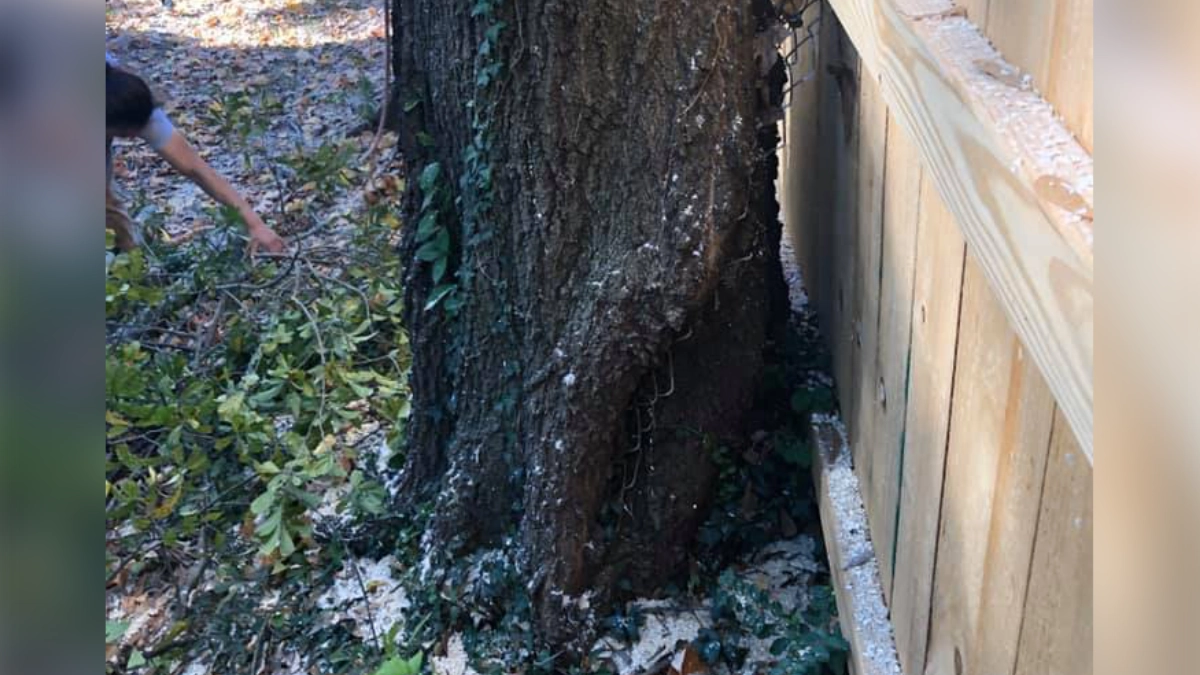
Cracks Near the Base of the Trunk
Splitting wood near the lower trunk matters.
That usually means pressure is building inside the tree as the structure struggles to hold the weight correctly.
Branches Suddenly Hanging Lower
If large limbs start sagging more than they used to, the tree may already be compensating for imbalance elsewhere.
That extra stress spreads throughout the canopy.
Dead Branches Showing Up on One Side
Sometimes a leaning tree begins declining unevenly.
One side of the canopy starts thinning or dying back first because the tree is struggling to move nutrients properly through stressed areas.
The Lean Looks More Obvious After Rain
This one matters more than people realize.
If the tree appears to shift or lean harder after storms, the roots may already be moving underground.
That’s not something homeowners should ignore heading deeper into summer.
Trees Near Homes Become a Bigger Concern
Location changes the situation fast.
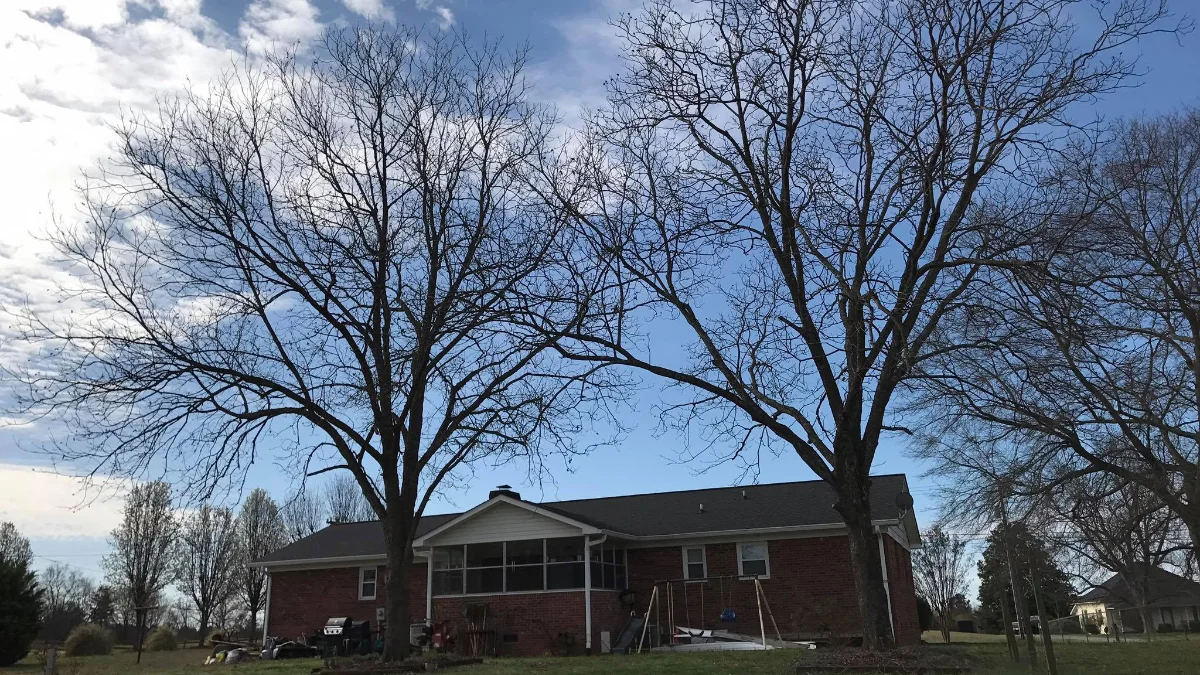
A questionable tree in the woods creates one level of risk. A questionable tree leaning over the house creates another.
That’s usually when homeowners stop feeling comfortable just “watching it for now.”
Overhanging Limbs Add Immediate Risk
A dangerous leaning tree doesn’t need to fall completely to cause damage.
One heavy branch failing during a summer storm is enough to damage roofs, vehicles, fences, or power lines.
Tight Yards Leave Very Little Margin for Error
A lot of neighborhoods around Greenville, Greer, and Spartanburg don’t have much space between homes anymore.
That means even moderate leaning tree danger becomes more serious because there’s nowhere for the tree to fail safely.
Why Leaning Trees Become Harder to Remove Later
This is usually the part homeowners don’t expect.
The longer a leaning tree sits, the more unpredictable the removal often becomes.
The Root System Continues Weakening
Once roots start shifting, they rarely regain full stability on their own.
Summer weather keeps adding movement and pressure instead.
Dead or Stressed Trees Become Brittle
If the tree begins declining after leaning, the wood becomes less flexible over time.
That makes future removal more technical because branches no longer move predictably during cutting.
Storm Damage Creates More Complications
A leaning tree that survives one storm often becomes weaker before the next one arrives.
That cycle keeps repeating until the situation becomes urgent.
Why Homeowners Usually Call Professionals for Leaning Trees
Leaning trees are difficult to judge from the ground.
Some stay stable for years. Others fail after one more heavy storm rolls through.
That’s where experience matters.
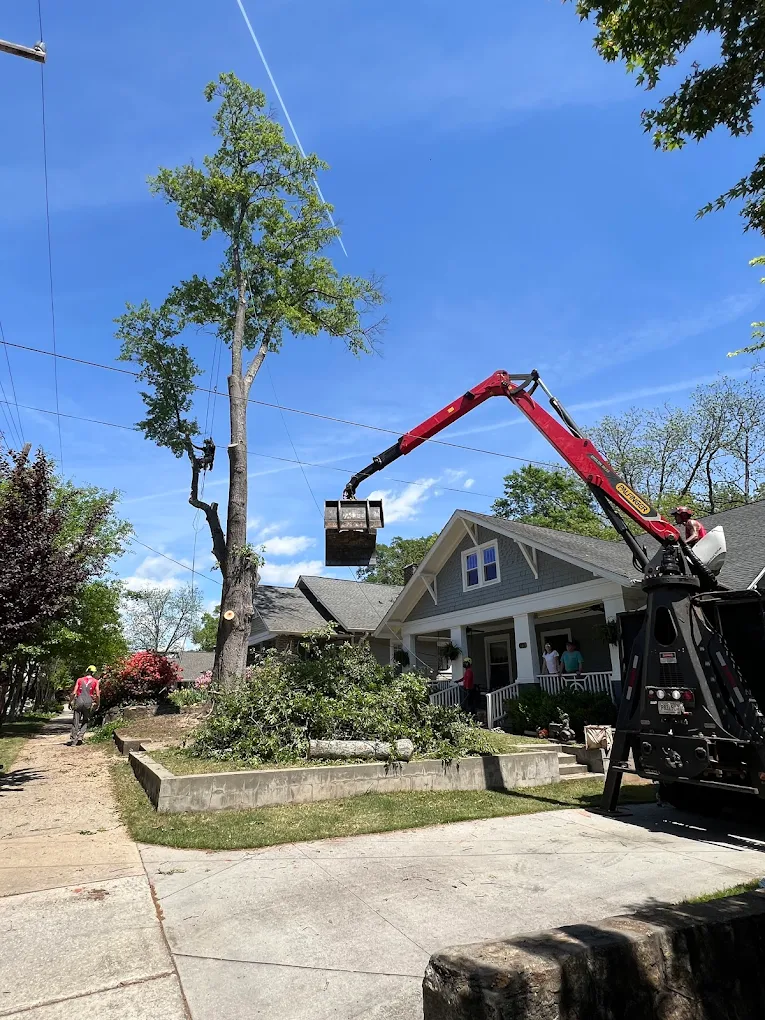
Tanner’s Legendary Tree Service helps homeowners throughout Greenville, Spartanburg, Greer, Inman, and surrounding Upstate communities evaluate dangerous leaning trees before they become emergency removals.
Sometimes the solution is trimming and reducing weight. Sometimes the lean points to deeper structural failure underneath the soil. The important part is understanding which situation you’re dealing with before summer weather makes the decision for you.
Don’t Wait Until the Tree Decides for You
Most dangerous leaning trees give some kind of warning first.
The lean changes a little. The soil shifts. Branches start hanging lower after storms. Something about the tree just feels different than it did before.
That’s usually the point where it’s worth paying attention.
If a tree around your property is leaning more than it used to or showing signs of instability after summer storms, Tanner’s Legendary Tree Service can inspect it and explain what’s actually happening before the risk gets worse. Sometimes the fix is simple. Sometimes the safest option is removal before the next storm season pushes the tree too far.
Call today before a leaning tree turns into emergency damage around your home.