
If you’ve been staring at a tree in your yard trying to figure out whether you’re seeing dead tree signs or just a tree having a rough season, you’re not alone. Spartanburg homeowners ask this question every spring and summer, and honestly, it’s not always easy to answer. The good news is there are some clear things you can look for, and knowing the difference could save a tree or save you from a serious safety problem.
A tree that drops its leaves early, has bare patches in the canopy, or just looks off can be confusing to read. Is it dead? Is it stressed? Is it about to fall? The answer matters a lot, because a dead tree is a real hazard, while a stressed tree might still have a fighting chance. Here’s how to tell the difference and what to do once you know.
The Scratch Test: The Simplest Way to Start
Before you call anyone or start worrying, there’s a quick test you can do yourself. Find a small twig or branch on the tree. Use your fingernail or a pocket knife to scratch lightly through the outer bark. What you see underneath tells you a lot.
If the layer under the bark is green and moist, that branch is alive. If it’s brown, dry, and brittle, that branch is dead. It’s that simple. (Go ahead and try it right now if you’re standing in your yard.)
The key is to test multiple branches in different parts of the tree. A tree can have some dead branches and still be very much alive overall. But if every branch you test comes back brown and dry, from the top of the canopy to the lower limbs, the tree is most likely dead.
Dead Tree Signs You Should Know
Knowing the specific dead tree signs makes it easier to assess what you’re dealing with. There are several things to look for beyond the scratch test. Each one on its own might not tell the whole story, but a few of them together usually paint a clear picture.
No leaves during the growing season is a big one. In Spartanburg, trees should be leafing out from spring through September. If it’s June and your tree has nothing, that’s a problem. Bark that’s falling off in large sections and revealing dry, gray wood underneath is another strong indicator.
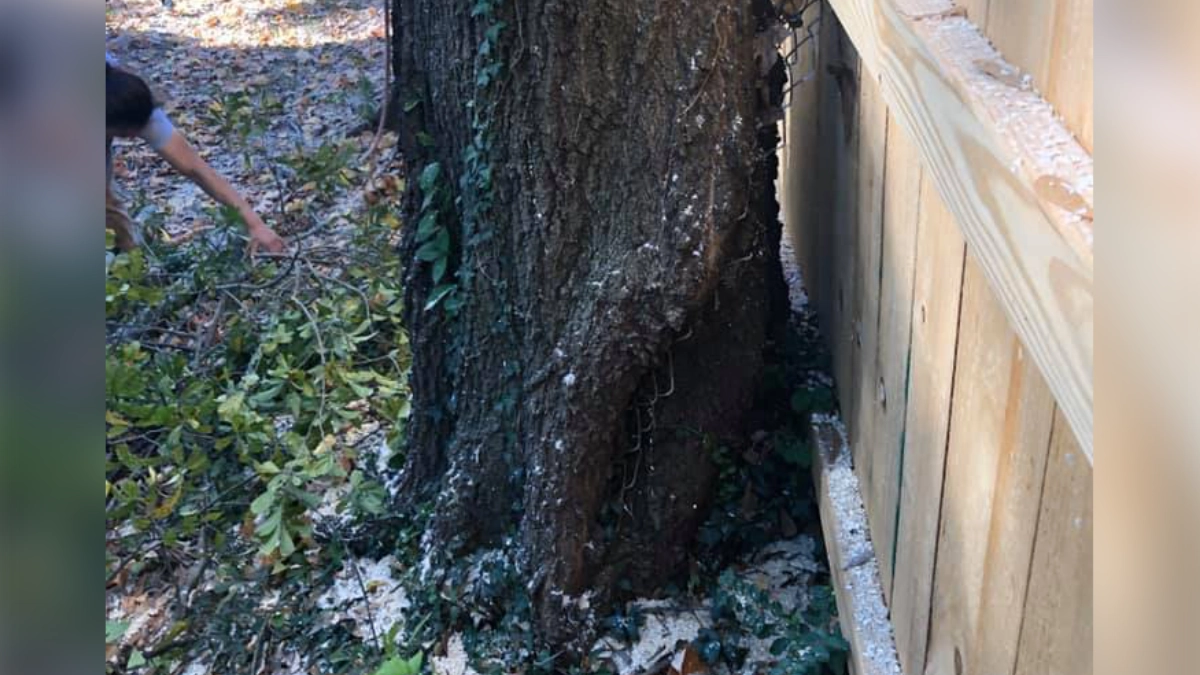
Watch for fungal growth too. Mushrooms or shelf fungi growing at the base of the trunk or along it are a sign that the wood is decaying from the inside. Hollow sections in the trunk, major vertical cracks running through the bark, and branches that snap easily and show no moisture inside are all dead tree signs you shouldn’t ignore. The Clemson Cooperative Extension has solid resources on tree health and dead tree identification in South Carolina if you want to dig deeper into what specific issues look like.
Signs a Tree Is Stressed But Still Alive
A stressed tree can look a lot like a dead tree if you don’t know what to look for. But there are differences. A stressed tree usually still has some green growth happening somewhere, even if it doesn’t look healthy overall.
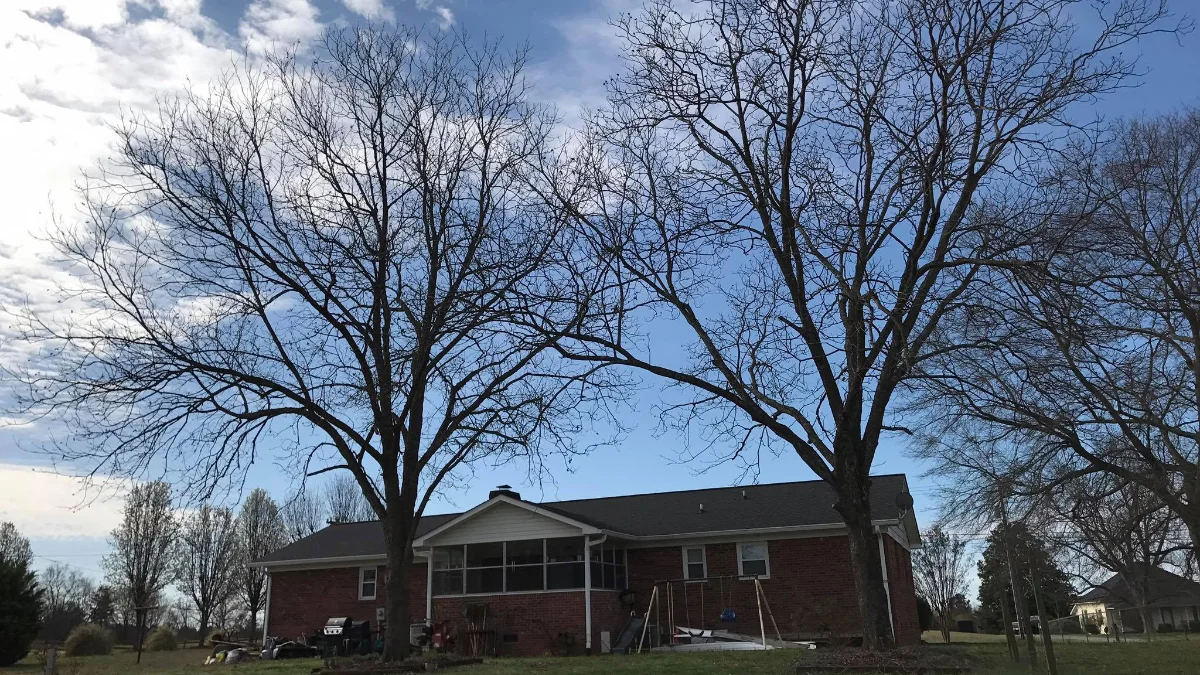
Look for leaves that are smaller than normal, discolored, or dropping earlier than they should. A sparse canopy with some bare patches but still showing green growth in other areas is a sign of a tree under stress, not necessarily a dead one. Dead branches in the upper canopy combined with live growth lower down is actually a pretty common pattern in stressed trees.
Bark damage on one side of the trunk is another sign. This could be from a lightning strike, mechanical damage from a lawn mower or vehicle, or a disease working its way through one section of the tree. Wilting or curling leaves during dry summer stretches are also classic stress signals. None of these things automatically mean the tree is gone.
What Causes Tree Stress in Spartanburg and Upstate SC
Understanding why a tree is stressed helps you figure out whether it can be saved. Spartanburg and the rest of Upstate South Carolina have a climate that puts trees through real seasonal swings, and there are several common culprits.
Drought is a big one. Spartanburg can have some seriously dry stretches in summer, and trees under drought stress show wilting, early leaf drop, and thinning canopies. Root damage is another cause that gets overlooked. If there’s been construction nearby, soil compaction, or any changes to the grade around the root zone, a tree can struggle for years afterward without anyone connecting the dots.
Pest damage is common too. Bark beetles, borers, and scale insects all attack trees in Upstate SC, and they can cause rapid decline if they’re not dealt with. Fungal diseases, canker diseases, and bacterial infections can cause dieback in sections of an otherwise healthy tree. And don’t forget storm damage. A tree that took a lightning strike or lost major limbs in a storm may look rough for a full season while it tries to recover.
Can a Stressed Tree Be Saved?
Sometimes yes, and sometimes no. It really depends on what’s causing the stress and how far along the decline has gone. That’s the honest answer. A tree stressed by drought may bounce back with deep watering and a good layer of mulch around the root zone to hold moisture in.
A tree dealing with a pest problem may respond well to treatment if it’s caught early enough. That’s why catching these problems sooner rather than later makes such a difference. The later you catch it, the fewer options you have.
A tree with significant root damage or internal decay is a harder case. Those situations often reach a point where the tree simply can’t be saved safely, and removal becomes the right call. Getting plant health care from Tanner’s Legendary Tree Service can identify exactly what’s stressing a tree and give you real options based on what’s actually going on, not just a guess.
Why a Dead Tree Is a Safety Risk
Here’s the thing about dead trees. They don’t announce when they’re about to fall. A tree that looks like it’s standing just fine can drop a major limb or come down completely with no warning at all. That’s what makes them genuinely dangerous.
Dead wood dries out and becomes brittle over time. The structural integrity that kept the tree standing for decades starts to break down. And in Spartanburg, summer storms roll through with real wind behind them. That kind of wind is often all it takes to push a dead tree or a major dead limb over the edge.
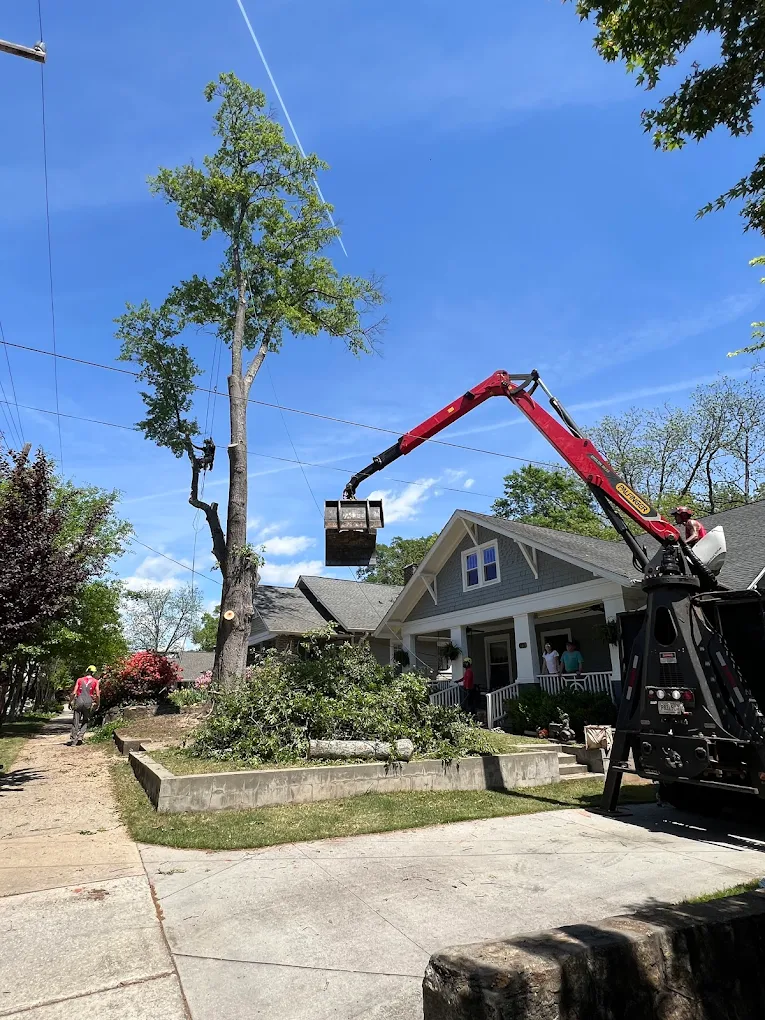
If a dead tree is near your home, driveway, fence line, or any utility line, it needs to come down. The longer it stands, the higher the risk. Tanner’s Legendary Tree Service’s tree removal services in Spartanburg are set up specifically to handle situations like this safely, including trees near structures where a standard removal isn’t an option.
The Cost of Waiting
A lot of homeowners know a tree looks bad but put off dealing with it. It’s understandable. Nobody wants to spend money on something if they’re not sure it’s necessary. But waiting on a dead tree usually costs more in the end, not less.
A dead tree that falls on a roof, a car, or a fence is going to cost far more to deal with than a planned removal on your schedule. And insurance coverage isn’t always a sure thing. Policies may cover storm damage, but if it comes out that the tree was clearly dead before the storm, coverage can get complicated fast.
Planned removal is safer for your family, safer for your property, and usually a lot less expensive than emergency removal after something has already gone wrong. It’s also a lot less stressful. Getting ahead of the problem just makes more sense.
What to Do If You’re Not Sure
If you’ve looked at your tree and you’re still not sure whether you’re dealing with dead tree signs or a stressed but living tree, the right move is to get a professional assessment. Not because it’s complicated, but because getting it wrong in either direction has real consequences.
If you let a dead tree stand because you weren’t sure, you’re taking on risk. If you remove a tree that could have been saved with the right care, you’ve lost something that took decades to grow. A professional can give you a clear answer and lay out your options honestly.
That’s exactly what Tanner’s Legendary Tree Service does. If a tree can be saved, we’ll tell you. If it needs to come down, we’ll explain why and walk you through what removal looks like. You can get a free tree estimate from Tanner’s Legendary Tree Service and get a real answer without any pressure attached to it.
Frequently Asked Questions
How do I know for sure if my tree is dead or just dormant?
The scratch test is the most reliable way to check. Scratch through the outer bark on several branches in different parts of the tree. If the layer underneath is green and moist, the tree or that branch is alive. If it’s brown, dry, and brittle across every branch you test, the tree is most likely dead. Keep in mind that dormancy in Spartanburg typically happens in winter. If it’s summer and your tree has no leaves, that’s a much stronger sign of a real problem than bare branches in January.
Can a tree recover from looking almost completely dead?
Sometimes, yes. It depends on the cause and how far the decline has gone. A tree that looks terrible after a drought stress event or a storm may still have enough live root system and internal structure to recover with the right care. But a tree with internal decay, major fungal infection, or widespread pest damage has a much harder road. Tanner’s Legendary Tree Service offers plant health care assessments that can tell you honestly whether recovery is realistic or whether removal is the safer path.
How fast does a dead tree become dangerous?
There’s no set timeline, but the decay process can move faster than people expect. A tree that dies in late summer can become brittle and unstable within a single season. Factors like the species of tree, how quickly the wood dries out, and whether there’s already internal decay all affect how fast the risk builds. Dead trees near homes, driveways, or utility lines should be evaluated and removed as soon as possible. Waiting for the next storm to make the decision for you is not a good plan.
What are the most common reasons trees die in Spartanburg?
In Upstate South Carolina, common causes include prolonged drought stress, root damage from construction or soil compaction, pest infestations like bark beetles and wood borers, fungal diseases, and storm damage. Lightning strikes are also more common than people realize and can kill a tree over the course of a season rather than all at once. Tanner’s Legendary Tree Service has worked with trees across Spartanburg and the surrounding area for years, and these are the issues we see come up again and again.
Is it worth paying for a tree health assessment, or should I just remove it?
It depends on the situation. If you have a tree with clear dead tree signs across the whole canopy, removal is probably the right answer. But if there’s any chance the tree is stressed rather than dead, a health assessment can save you from removing something that didn’t need to come down. Tanner’s Legendary Tree Service provides free estimates and honest assessments, so you’re not paying just to get an opinion. You get a clear answer and real options without any pressure to make a decision on the spot.
Not Sure If Your Tree Needs to Come Down?
Tanner’s Legendary Tree Service provides free estimates and honest assessments for Spartanburg homeowners who aren’t sure what to do about a struggling tree. We serve Spartanburg, Boiling Springs, Greenville, Greer, Simpsonville, and Upstate South Carolina. Visit tannerslegendarytreeservice.com to schedule your free estimate. Or call us directly at (864) 978-0160.