
Updated April 2026
DIRECT ANSWER
Tree roots invade sewer lines seeking moisture, especially in clay or concrete pipes. Chemical root killers only delay the problem. The only permanent fix is removing the tree and grinding the stump to stop root regrowth.
In This Guide
- Why Tree Roots Invade Sewer Lines
- How Spartanburg Homeowners Face Root Intrusion
- Tanner’s Process for Permanent Sewer Root Removal
- Frequently Asked Questions
Tree roots in sewer lines are a common and costly problem for homeowners in Spartanburg and the Upstate of South Carolina. If your drains back up or you hear gurgling sounds, roots may be the culprit. In this post, I’ll explain why roots invade your pipes, why chemical treatments don’t last, and how our team at Tanner’s Legendary Tree Service solves the problem permanently by removing the tree and grinding the stump.
I’m Tanner, owner of Tanner’s Legendary Tree Service. With over 10 years of experience serving Spartanburg, Greenville, Greer, and surrounding Upstate SC areas, I’ve seen every kind of root intrusion issue. Our ISA-certified arborist Dylan and I use specialized equipment like a 60-ton crane and stump grinders to handle tough jobs safely and efficiently. In 2026, we remain the only crane-certified crew in Upstate SC, ready to help 24/7.
Why Tree Roots Invade Sewer Lines and How to Stop Them
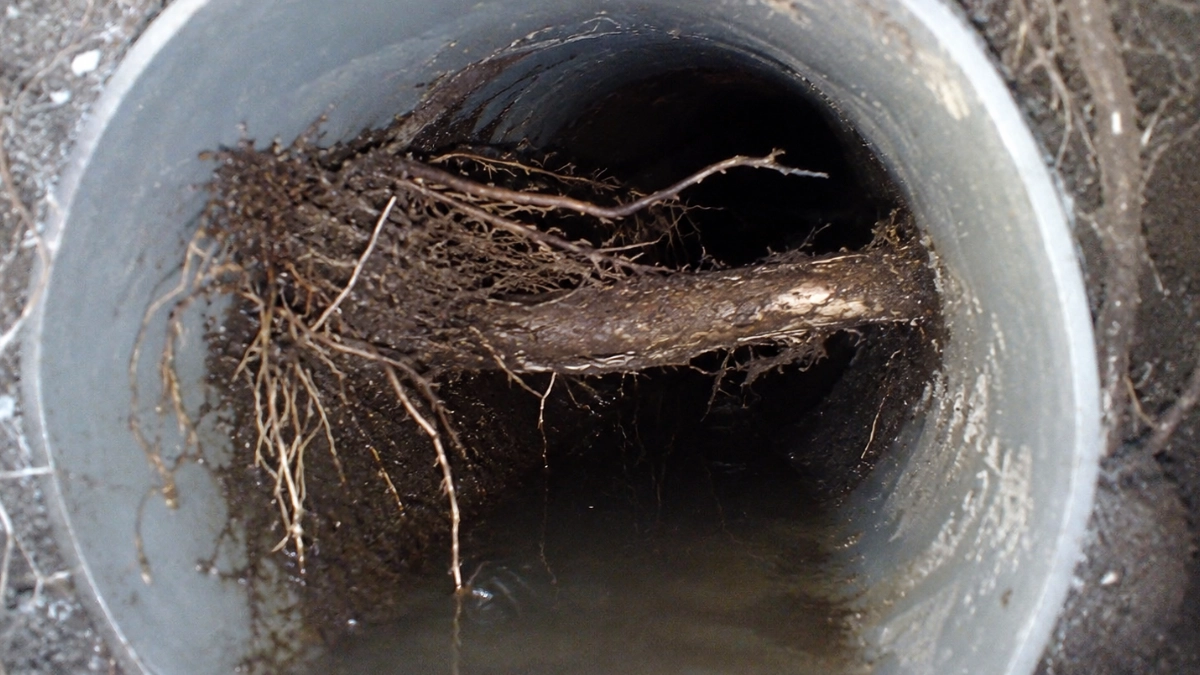
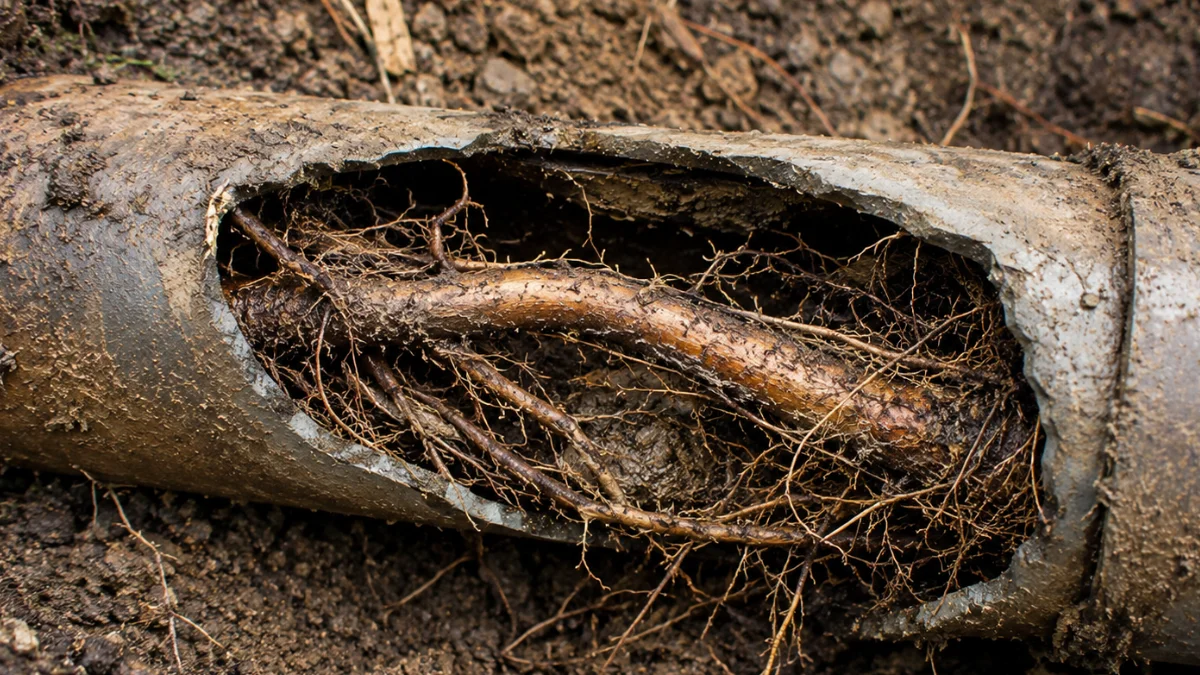
Tree roots need water to survive. Sewer pipes, especially older clay or concrete ones, often have tiny cracks or joints that leak moisture. That moisture attracts roots. Roots sense the water and push into those weak spots searching for hydration. Over time, roots grow inside the pipe, clogging it and causing blockages or even pipe damage.
Here is why roots invade sewer pipes:
- Clay and concrete pipes develop cracks or loose joints with age.
- Roots detect moisture and extend toward it underground.
- Roots penetrate pipe joints to reach water inside.
- Roots grow and thicken inside pipes, blocking flow.
- Blockages cause sewage backups and slow drains.
Temporary Chemical Solutions: Why They Fail
Many homeowners try chemical root killers like copper sulfate to kill roots inside pipes. These chemicals might clear roots for a short time but do not prevent new roots from growing back. Copper sulfate only kills the roots inside the pipe, not the entire tree. The tree continues sending new roots to the pipe every year, requiring repeat chemical treatments.
Copper sulfate facts:
- Kills roots inside pipes temporarily.
- Must be reapplied annually or more often.
- Can harm beneficial soil microbes near your home.
- Does not fix pipe cracks or remove roots outside the pipe.
Chemical treatments are not a permanent fix. They delay the problem but do not solve it. This leads to recurring plumbing issues and increased costs over time.
Hydro-Jetting: A Mechanical Cleaning Option
Hydro-jetting uses high-pressure water jets to clear roots and debris from sewer lines. This method can remove roots physically without chemicals. Hydro-jetting is effective for clearing blockages but does not prevent roots from returning. It also does not repair cracks or eliminate the source of root intrusion.
Hydro-jetting facts:
| Feature | Pros | Cons |
| Removes roots physically | Fast and chemical-free | Does not prevent regrowth |
| Clears grease and debris | Helps restore pipe flow | May damage fragile pipes if misused |
| No chemicals involved | Environmentally safer | Requires professional equipment |
Hydro-jetting is a good service to clear a blocked line but should be part of a broader solution. Without removing the offending tree, roots will grow back.
The Permanent Fix: Tree Removal and Stump Grinding
The only way to stop tree roots from invading sewer lines permanently is to remove the tree causing the problem and grind the stump to prevent new root growth. Removing the tree cuts off the water source that feeds roots near pipes. Grinding the stump destroys the root crown underground where new roots sprout.
Benefits of tree removal and stump grinding:
- Eliminates the source of root intrusion.
- Prevents future root growth near pipes.
- Protects sewer pipes from further damage.
- Reduces repeat plumbing costs long-term.
At Tanner’s Legendary Tree Service, we specialize in this permanent solution. We assess the problem with video pipe inspection, remove the tree safely, then use stump grinders to grind down roots below ground level.
How Spartanburg Homeowners Experience Tree Root Sewer Issues
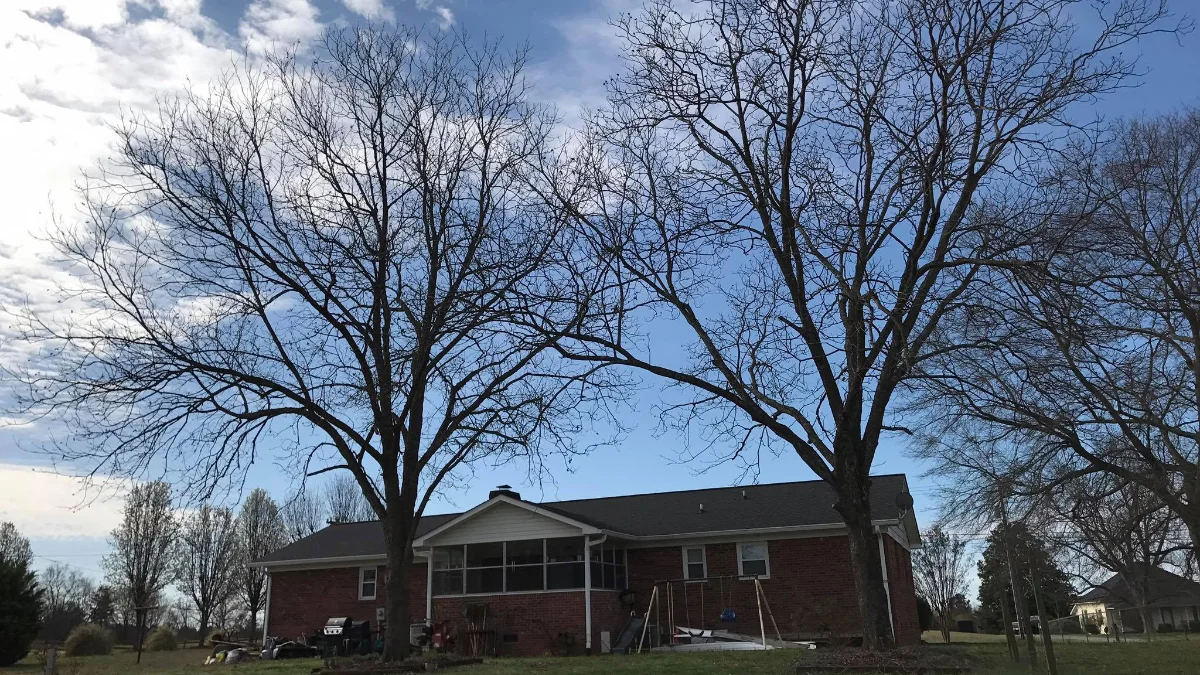
Spartanburg and the surrounding Upstate SC areas like Greenville, Greer, Boiling Springs, and Simpsonville have many mature trees close to homes. Species like oak, maple, and sweetgum are common. These trees have extensive root systems that can reach sewer lines, especially older clay or concrete pipes installed decades ago.
Local Soil and Weather Factors
Spartanburg’s clay-based soil retains moisture, attracting roots even more. During dry summers and wet winters typical of Upstate SC, roots aggressively seek water underground. The freeze-thaw cycles in winter can cause small pipe cracks to widen, worsening root intrusion by spring.
Neighborhoods with Older Infrastructure
Many Spartanburg neighborhoods built before 1980 have clay sewer pipes. These pipes are prone to cracking as they age, making them vulnerable to root invasion. Neighborhoods like Drayton Mills, Converse Heights, and parts of Arcadia have older sewer lines that frequently deal with root-related blockages.
Impact on Homeowners
Homeowners notice symptoms like:
- Slow draining sinks and tubs
- Frequent toilet backups
- Gurgling sounds from drains
- Sewage odors near the foundation
Ignoring these signs can lead to costly pipe breaks or full sewer line replacement. Local plumbers often recommend calling a tree service for root removal once roots are confirmed.
Ready to get started? Call Tanner’s Legendary Tree Service at (864) 978-0160 for a free on-site estimate. We’re available 24/7 for emergency calls.
How Tanner’s Legendary Tree Service Solves Root Intrusion Permanently
Our team combines arborist expertise with professional equipment for safe, effective root removal. Dylan, our ISA-certified arborist and crane operator, leads our crews in handling complex tree removals near sewer lines.
Step 1: Inspection and Diagnosis
We use a professional sewer camera to inspect pipes and locate root intrusion points. This video inspection lets us see root growth inside pipes and identify pipe damage. We also assess the tree species, size, and proximity to sewer lines.
Step 2: Tree Removal with Crane Assistance
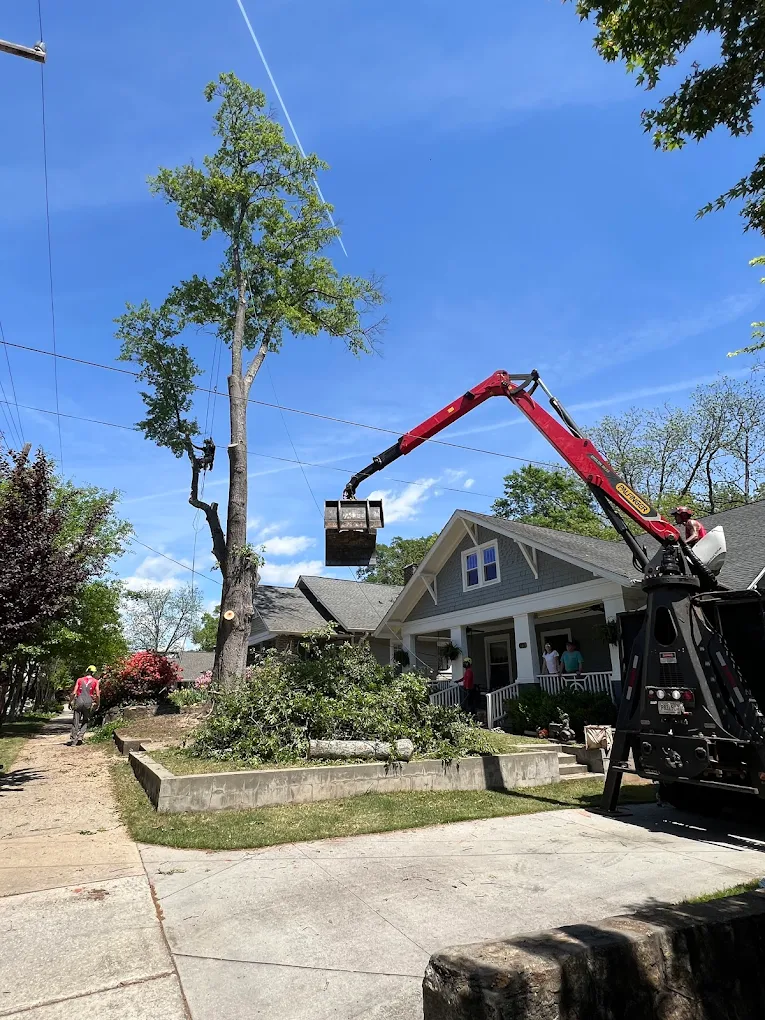
If the tree endangers pipes, we remove it carefully using our 60-ton crane. This equipment lets us remove large trees safely without damaging your property or underground utilities. Crane-assisted removal is often required in tight yards or near structures in Spartanburg neighborhoods.
Step 3: Stump Grinding Below Ground
After tree removal, we grind the stump down to 12-18 inches below ground level using powerful stump grinders. This process destroys the root crown where new roots can sprout. Grinding prevents root regrowth and future pipe problems.
See our Stump Grinding page for details on this service.
Step 4: Hydro-Jetting and Pipe Cleaning
We coordinate with your plumber for hydro-jetting to clear remaining roots and debris from sewer lines. Hydro-jetting restores pipe flow and prepares the system for long-term health.
Step 5: Follow-Up and Prevention
We provide advice on planting new trees safely away from sewer lines. We also offer ongoing plant health care to keep your yard healthy without risking plumbing.
Why Choose Tanner’s?
| Feature | Tanner’s Legendary Tree Service | Typical Local Competitors |
| ISA-Certified Arborist | Dylan, certified arborist on staff | Often no certified arborist |
| Crane-Certified Crew | Only crane-certified team in Upstate SC | Limited or no crane certification |
| Equipment | 60-ton crane, stump grinders, aerial lifts | Basic equipment |
| 24/7 Emergency Service | Available anytime for urgent sewer root issues | Limited emergency availability |
| Free On-Site Estimates | No cost estimates to plan your job | Often charge fees or none offered |
Our process and equipment help Spartanburg homeowners get the best permanent solution to tree roots in sewer lines in 2026.
Frequently Asked Questions
How do I know if tree roots are in my sewer line?
Slow drains, backups, gurgling sounds, and sewage odors near your home often indicate root intrusion. A professional sewer camera inspection confirms roots inside pipes.
Can tree roots break sewer pipes?
Yes. Roots can enter cracks and joints, expanding and breaking the pipe over time. Damaged pipes leak and cause costly repairs.
What is the best way to get rid of tree roots in pipes?
Removing the offending tree and grinding the stump is the best permanent way. Hydro-jetting clears roots, but without tree removal, roots grow back.
Is chemical root killer effective for sewer roots?
Chemical treatments like copper sulfate only kill roots temporarily inside pipes. They require yearly applications and do not stop root growth permanently.
Can I plant trees near my sewer line safely?
Yes, but choose species with less aggressive roots and plant them far from sewer pipes. Consult a certified arborist like Dylan for advice.
For tree service in Spartanburg, SC and all of Upstate South Carolina, contact Tanner’s Legendary Tree Service at (864) 978-0160 or visit tannerslegendarytreeservice.com. Free estimates. Available 24/7.