

Homeowners often think pruning means exactly what trimming does. Tools look alike, outcomes seem identical – just a word swap. At least, that’s the common guess.
Yet trees near your house? That gap in care weighs heavier than most guess. A poor cut, made too soon or too late, invites brittle branches, drooping arms, even trouble down the road. Right in this area, outcomes swing either way – no shortage of proof.
If you’ve ever wondered what your trees actually need (and not just what someone calls it), this will clear it up. Nothing complicated. Just real guidance you can use.
It’s Not Just About Cutting Branches
A lot of tree work looks the same from the ground. Someone’s up there cutting branches, things are falling, and the tree looks “better” after. That’s where most of the confusion starts.
But there’s a difference in why those branches are being cut.
Some cuts are for looks. Some are for safety. Some are to keep the tree alive longer.
And if you mix those up, you don’t always notice right away. Sometimes the issue shows up months later. Or during the next storm.
What Tree Trimming Really Means
Trimming is the one people are more familiar with.
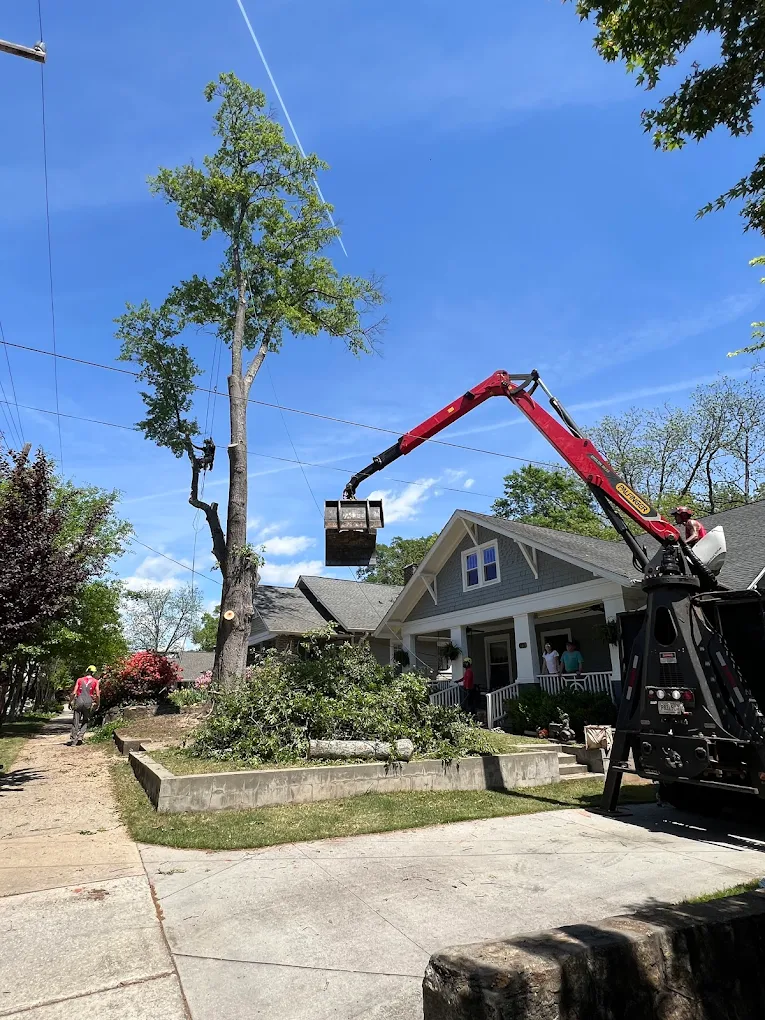
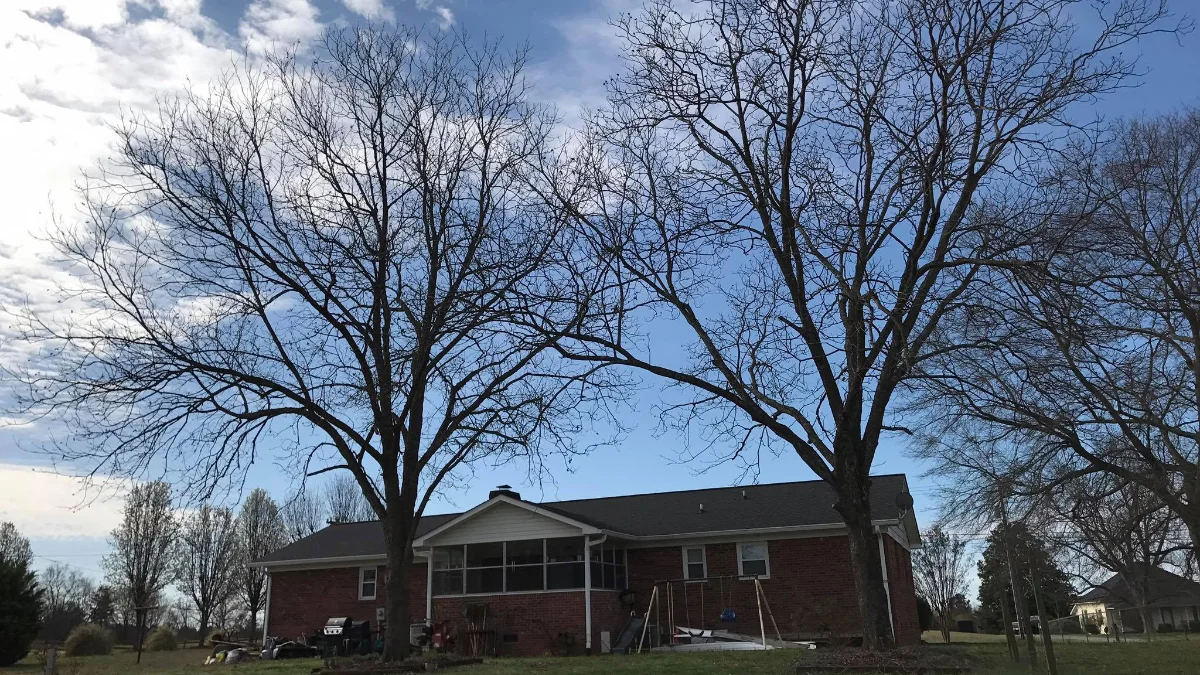
It’s mostly about keeping things under control. Branches growing too far out, blocking your driveway, hanging over the roof, brushing against siding, stuff like that.
You’re shaping the tree. Cleaning it up a bit.
It’s kind of like maintenance. Not fixing a problem, just preventing one.
You’ll usually see trimming done when:
- Trees start looking uneven or overgrown
- Branches are getting too close to structures
- You want more light or space around the yard
Nothing wrong with trimming. It keeps things manageable. Helps with appearance too, obviously.
But it doesn’t always deal with what’s going on inside the tree.
What Tree Pruning Is (And Why It’s Different)
Pruning goes deeper than that.
This is where you’re not just looking at how the tree looks, but how it’s actually growing.
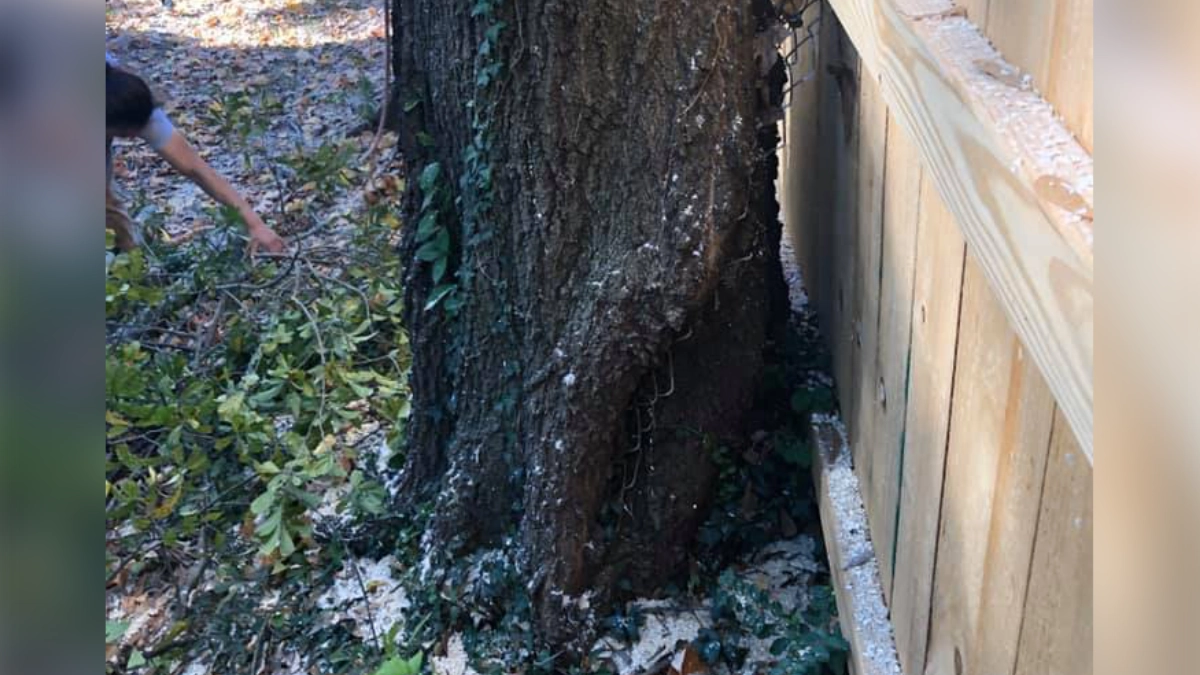
Dead limbs. Weak branch connections. Diseased sections you might not even notice from below. That’s what pruning targets.
Sometimes it’s obvious, like a cracked limb after a storm. Other times, it takes a closer look to catch it early.
Pruning helps:
- Remove branches that could fall later
- Stop disease from spreading
- Improve how the tree grows moving forward
- Reduce stress on the tree overall
It’s more selective. More intentional.
At Tanner’s Legendary Tree Service, this is where a lot of homeowners are surprised. They call thinking they need a trim, but what the tree actually needs is structural pruning. Totally different outcome if you handle it right.
So… Which One Do You Actually Need?
This is where it gets tricky.
Because from the ground, trimming and pruning can look almost identical.
You see branches being cut. That’s about it.
But the reason behind those cuts, that’s the difference.
If your tree is just overgrown, trimming probably does the job.
If there are dead, damaged, or risky limbs, pruning is what protects you long-term.
Sometimes it’s both. That happens more often than people expect.
And honestly, guessing isn’t always the best move. Trees don’t give obvious warnings until something goes wrong.
Timing Isn’t Something You Want to Guess On
You can get away with trimming at different times of the year, depending on the tree. It’s more flexible.
Pruning… not so much.
Cut at the wrong time, and the tree can struggle to recover. Or worse, it becomes more vulnerable to disease or pests.
Around Upstate South Carolina, late winter tends to be the sweet spot for a lot of pruning work. Trees are dormant, so they handle it better.
But every tree is a little different. And storm season doesn’t wait for perfect timing either.
We get a lot of emergency calls from trees that hadn’t been pruned in years. Weak limbs finally give out when the weather turns.
Where Homeowners Usually Get Into Trouble
A lot of people try to handle this themselves at first. That part makes sense.
It doesn’t always go the way they expect though.
Common things we see:
- Cutting too much at once (tree gets stressed)
- Leaving behind weak branches that should’ve been removed
- Making cuts that don’t heal cleanly
- Missing early signs of decay or disease
And then there’s the safety side of it.
Ladders, chainsaws, branches under tension… it adds up fast.
We’ve had jobs where a simple pruning situation turned into a full removal because the structure of the tree was compromised. Not overnight. Just from small mistakes over time.
When It’s Time to Bring in a Tree Service
You don’t need to call someone for every little branch.
But there are moments where it’s worth it.
If a tree is hanging over your home, leaning more than it used to, or dropping large limbs, that’s not something to ignore.
Same goes if you’re just not sure what you’re looking at.
At Tanner’s Legendary Tree Service, we usually start with a simple walkthrough. Nothing complicated. Just take a look, explain what’s going on, and go from there.
Some trees just need a quick trim. Others need more careful pruning to avoid problems down the line.
Either way, the goal stays the same, keep it safe, keep it strong, and don’t tear up your property in the process.
The Long-Term Side of This (What Most People Miss)
Tree care isn’t just about what you see right now.
It’s about what happens later.
A well-pruned tree handles storms better. Holds its shape. Keeps growing the way it should.
A neglected one… that’s where issues creep in.
Cracks. Weak limbs. Sudden failures when the weather hits.
We’ve been out on enough storm jobs to know, most of those situations could’ve been prevented with the right pruning earlier on.
Tree Pruning vs. Tree Trimming, Don’t Just Guess
Here’s the honest part, not every tree needs the same approach.
Some just need a little shaping to keep things under control. Others need more careful work to stay safe long-term. And from the ground, it’s not always easy to tell the difference.
That’s where a lot of homeowners end up guessing.
If you’re on the fence, it’s worth having someone check it out before something fails or causes damage. At Tanner’s Legendary Tree Service, we look at both sides of it, appearance and structure, and give you a clear answer without overcomplicating it.
FAQs
Is tree pruning better than tree trimming?
No they are just different. Tree pruning is about tree health and safety. Tree trimming is about how the tree looks and controlling its shape. Most properties need both tree pruning and tree trimming at some point.
How do I know if my tree needs pruning?
Check for tree branches. Look for cracks in the tree. See if the tree is growing unevenly. If the tree looks wrong pruning is probably an idea.
Can trimming damage a tree?
Yes it can. If you remove much of the tree it can get hurt. If you make cuts in the places that can hurt the tree too. That is where experience, with tree trimming makes a difference.
How often should trees be pruned?
It depends on the tree. It depends on the trees condition. Some trees need pruning every couple of years. Other trees only need pruning when problems show up.
Does pruning help prevent storm damage?
Yes it does. Pruning helps prevent storm damage when you remove branches. Pruning helps prevent storm damage when you remove branches. This makes it less likely that branches will break off in winds.