Updated April 2026
DIRECT ANSWER
You can cut some surface tree roots without killing the tree if you follow the 25% rule and avoid damaging the critical root zone. Removing more than 25% of the root system or cutting roots within the critical root zone can destabilize or kill the tree.
In This Guide
- Understanding Tree Root Removal and Safety Limits
- Tree Root Challenges in Spartanburg and Upstate South Carolina
- How Tanner’s Legendary Tree Service Handles Root Removal Safely
- Frequently Asked Questions
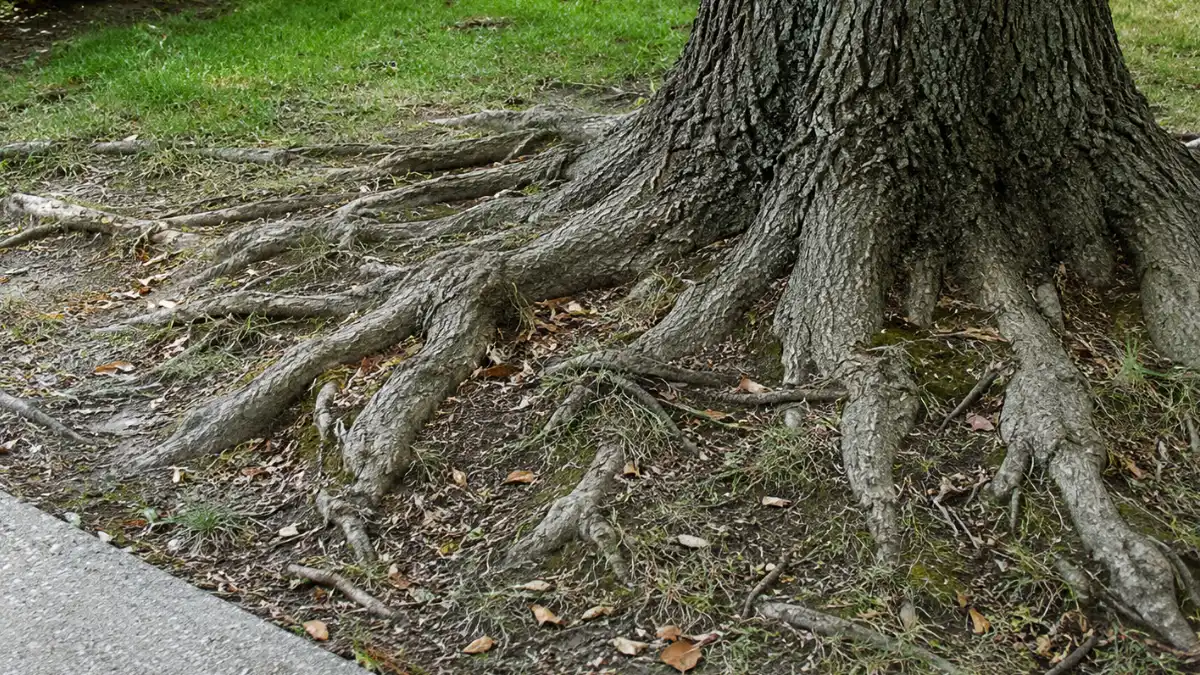
When surface tree roots grow near sidewalks or lawns, they pose a hazard. They can trip people and damage mowers or other equipment. Many homeowners in Spartanburg and Upstate SC wonder if cutting these roots will harm their trees. Tanner, owner of Tanner’s Legendary Tree Service, has over 10 years of experience helping homeowners in Spartanburg, Greenville, Greer, Boiling Springs, and Simpsonville safely manage tree roots without losing their trees.
This blog covers everything you need to know about surface tree root removal in 2026. We explain the 25% rule, the critical root zone, and when root cutting is safe or risky. We also share local insights on tree species common in Spartanburg and how our crane-certified crew handles tough jobs safely.

Understanding Tree Root Removal and Safety Limits
Surface tree roots often grow just below or above the soil line. They help anchor the tree and absorb water and nutrients. Cutting these roots can stress the tree or even kill it if done incorrectly. The key to safe root removal lies in knowing how much you can cut and where.
The 25% Rule
Experts, including the International Society of Arboriculture (ISA), recommend not removing more than 25% of a tree’s root system at one time. Removing more than a quarter of the roots reduces the tree’s ability to take up water and nutrients. It also risks destabilizing the tree, making it prone to falling during storms.
Critical Root Zone (CRZ)
The critical root zone is the area around a tree’s trunk that holds the roots important for stability and health. The rule of thumb is 1 foot of radius for every inch of trunk diameter measured at breast height (4.5 feet above ground). For example, a tree with a 12-inch trunk diameter has a critical root zone radius of about 12 feet.
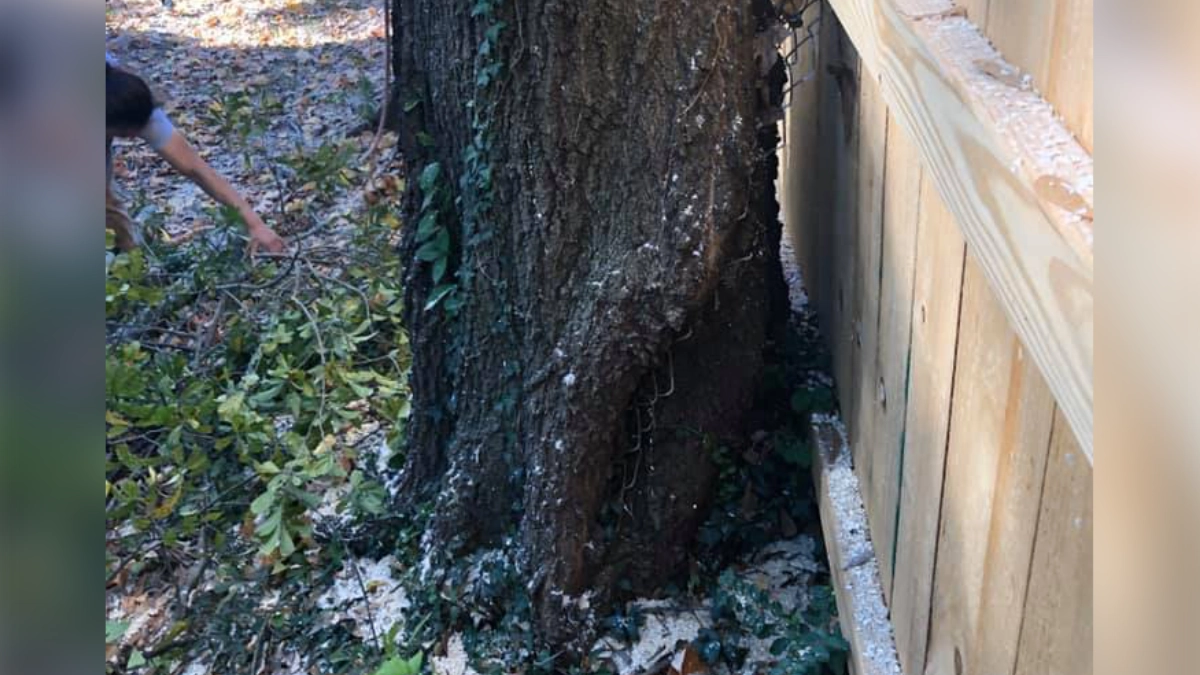
Cutting roots inside the CRZ can cause serious damage. Roots here are large, structural, and essential for holding the tree upright. Surface roots outside this zone are generally safer for limited removal.
How Deep Do Tree Roots Go?
Most tree roots grow in the top 12 to 18 inches of soil. While some roots can extend deeper, the majority of feeding roots are near the surface. This shallow growth explains why roots often become exposed and cause problems on sidewalks or lawns.
Risks of Root Removal
| Risk | Explanation | Impact |
| Removing >25% roots | Severely reduces water/nutrient uptake | Tree decline or death |
| Cutting inside CRZ | Damages structural roots | Instability, increased fall risk |
| Exposing roots | Leads to drying and damage | Root rot and decay |
| Poor pruning cuts | Invites pests and diseases | Health decline |
When Is Root Removal Safe?
- If roots are outside the CRZ
- If less than 25% of root mass is cut
- When cuts are clean and made by professionals
- If the tree species tolerates some root disturbance (e.g., oak vs. pine)
For large or valuable trees, always consult a certified arborist before root removal.
For more details on root management, visit the ISA’s official root care page: ISA Root Management
Tree Root Challenges in Spartanburg and Upstate South Carolina
Spartanburg and the surrounding Upstate SC region have diverse tree species that interact with urban environments differently. Knowing local conditions helps homeowners decide when and how to address surface root problems safely.
Common Tree Species with Surface Roots
- Water Oak: Common in Spartanburg, known for aggressive surface roots.
- Sweetgum: Often has shallow roots that can raise sidewalks.
- Red Maple: Adaptable but prone to surface roots in compacted soils.
- Pine trees: Usually have deep taproots but can develop surface lateral roots.
Many neighborhoods such as Duncan Park, Hilltop, and Arcadia have mature trees with extensive root systems near sidewalks and driveways.
Local Soil and Weather Factors
The Upstate SC region features clay and sandy loam soils. Clay soil compacts easily, forcing roots to grow laterally near the surface. This increases the chance of roots showing above ground.
The weather in Spartanburg includes hot summers and cold winters. Trees go dormant in winter but roots remain vulnerable to damage from frost and soil movement.
Heavy rains during spring and fall can erode soil around roots, exposing them further. Homeowners often see roots surfacing near sidewalks after storms.
Addressing Surface Root Hazards Locally
Surface roots near sidewalks cause trip hazards and lawn mower damage. In Spartanburg, city codes require homeowners to keep sidewalks safe. Removing roots entirely is not always possible or safe.
Instead, our team recommends:
- Installing root barriers to redirect root growth
- Raising or repairing sidewalks with root-friendly methods
- Selective root pruning below 25% root removal
- Regular tree health monitoring in 2026 and beyond
Local Tree Ordinances and Permits
Some Upstate SC cities require permits for tree root removal or sidewalk repairs involving roots. We help clients navigate local rules in Spartanburg, Greenville, and Greer to avoid fines or tree damage.
Ready to get started? Call Tanner’s Legendary Tree Service at (864) 978-0160 for a free on-site estimate. We’re available 24/7 for emergency calls.
How Tanner’s Does It: Process, Equipment, Expertise
Tanner’s Legendary Tree Service stands out in Spartanburg and the Upstate because of our expertise and equipment. We have the only crane-certified crew in the region, including Dylan, our ISA-certified arborist and crane operator.
Step 1: Free On-Site Assessment
We inspect the tree and root system carefully. We measure trunk diameter to determine the CRZ radius. We note which roots are surface-level hazards and assess how much root mass can be safely removed.
Step 2: Planning Root Removal
We plan to remove no more than 25% of the root system. We mark roots that can be pruned safely outside the CRZ. If roots are inside the critical zone, we look for alternative solutions like root barriers or sidewalk adjustments.
Step 3: Using the Right Equipment
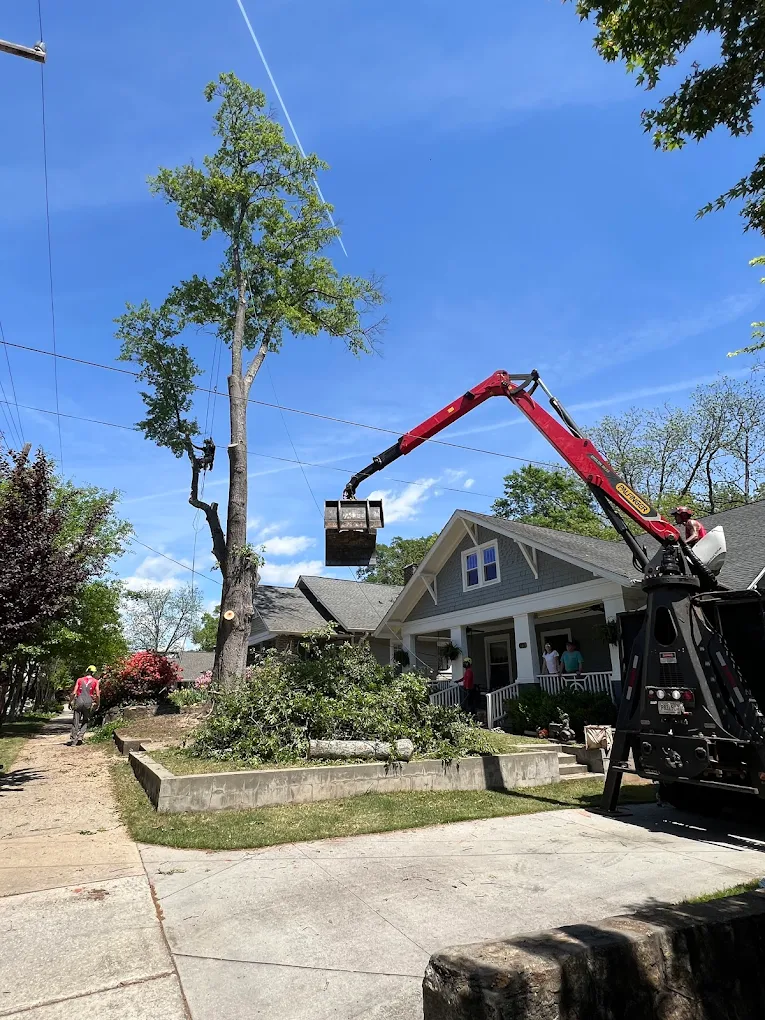
Our 60-ton crane allows us to safely remove large trees or branches that might be destabilized by root removal. For surface roots, we use stump grinders and chippers designed for precise cuts. Our aerial lifts help us access tree crowns for pruning to balance root loss.
Step 4: Root Cutting and Removal
We cut roots cleanly with sharp tools to minimize damage. We remove exposed roots carefully to avoid excessive injury. We grind stumps where needed, linking to our Stump Grinding page.
Step 5: Tree Health Care and Follow-Up
After root removal, we provide plant health care recommendations. This includes watering schedules, mulching, and fertilization to help the tree recover. Dylan’s ISA certification ensures we follow best practices in tree care.
Step 6: Emergency Response
In 2026, storms can uproot weakened trees quickly. Our 24/7 emergency service is ready to respond if root damage threatens safety.
Why Choose Tanner’s in Spartanburg?
| Feature | Tanner’s Legendary Tree Service | Typical Competitors |
| ISA-certified Arborist | Yes (Dylan) | Rare |
| Crane-certified Crew | Only one in Upstate SC | None |
| 60-ton Crane | Available for crane-assisted root and tree work | Usually no crane |
| 24/7 Emergency Service | Yes | Limited hours |
| Free On-Site Estimates | Always | Sometimes |
Our reputation in Spartanburg neighborhoods like Arcadia, Boiling Springs, and Simpsonville is built on safe, expert service.
Frequently Asked Questions
Can you cut tree roots without killing the tree?
Yes. Cutting up to 25% of the root system outside the critical root zone can be safe. Cutting too many roots or those inside the critical root zone risks tree health and stability.
How do you get rid of surface tree roots?
Surface roots can be removed by careful pruning, grinding, or installing root barriers. Sometimes adjusting sidewalks or landscaping is a better option than cutting roots.
How deep do tree roots go?
Most tree roots grow within 12 to 18 inches of soil. Some roots extend deeper, but surface roots do most water and nutrient absorption.
What is the critical root zone?
It is the area around a tree’s trunk where roots are important for stability. The radius is generally 1 foot per inch of trunk diameter measured at breast height.
Why are surface roots a problem near sidewalks?
They create tripping hazards and can damage lawn equipment. They may also lift and crack sidewalks, causing costly repairs.
For tree service in Spartanburg, SC and all of Upstate South Carolina, contact Tanner’s Legendary Tree Service at (864) 978-0160 or visit tannerslegendarytreeservice.com. Free estimates. Available 24/7.