
Pine trees are easy to find around Spartanburg. They grow tall, fill in fast, and often stand out above everything else in the yard. Many homeowners leave them alone for years without a second thought.
Then something changes. A storm rolls through, or a dry stretch hits, and those same trees start to look different. Branches thin out. Needles pile up. The tree may lean just a bit more than it used to. That’s usually when questions start. This guide explains the real risks behind pine tree removal in Spartanburg and how to decide what to do before it becomes a bigger problem.
Why Pine Trees Can Turn Into a Risk
Pine trees don’t take long to grow, and that speed can work against them.
They shoot up tall and stay fairly narrow, with most of their weight near the top. That can make them less stable as they get older.
The roots spread out, but they don’t always anchor as deeply as people expect. In softer soil, that can lead to movement over time.
A pine tree can look fine from the outside and still have problems inside. The wood can weaken without clear signs at first. By the time damage shows, the structure may already be compromised.
This is why early checks matter more than people think.
Fire Risks Around Pine Trees
Pine trees carry a higher fire risk than most other trees you’ll see in Spartanburg.
Needles fall and build up around the base. Cones drop and collect in the same area. Over time, that layer gets thick and dry.
All of that material can catch quickly.
If a spark lands in that buildup, it can spread fast across the ground. Low branches give that fire a path upward into the tree.
Sap inside the tree adds to the risk. It burns hotter than many people expect.
This does not mean every pine tree is a fire hazard. The risk comes from buildup and neglect. A well-maintained area stays much safer.
Still, there are cases where the tree itself becomes the concern, not just what’s around it.
Storm Damage Is the Bigger Issue
Storms create the biggest problems for pine trees in this area.
Strong winds push against the top of the tree. That pressure moves down the trunk and into the roots. If the ground is soft, the tree may shift.
Once it shifts, it does not always move back.
Branches break more easily on older pine trees. Dead limbs stay attached longer than they should, then fall without warning.
Heavy rain adds weight to the canopy. That extra weight increases stress on the trunk.
A tree that looks steady one day can fail during the next strong storm.
This is where timing matters. Waiting for visible damage often means you are already dealing with higher risk.
Tanner’s Legendary Tree Service handles many storm-related calls across Spartanburg. A lot of those situations start with warning signs that were easy to miss.
Signs a Pine Tree Needs a Closer Look
You don’t need special tools to spot early problems.
Start with the needles. Healthy pine trees hold a steady color. Large patches of brown or thinning needles point to stress.
Start with the trunk. Cracks or soft areas can be a sign something’s not right inside.
Move down to the base. If the soil looks pushed up or out of place, the roots could be under stress.
Notice the angle of the tree. A small lean is easy to miss, but it matters.
Then look up. The canopy often shows problems before anything else does.
One sign on its own may not mean much. A combination of signs is worth paying attention to.
When Pine Tree Removal Makes Sense
Not every pine tree needs to come down. Some situations make removal the safer option.
A tree leaning toward a house, driveway, or fence carries risk. Even a slight shift can change where it falls.
Large sections of dead branches increase the chance of breakage. This becomes a concern in areas where people walk or park.
Root movement is another issue. If the base shows signs of failure, the tree may not hold during the next storm.
Location matters as well. Trees close to structures leave less room for error.
Removal in these cases is about control. It allows you to handle the situation before it turns into damage.
Why Waiting Often Makes Things Worse
It’s common to wait and see what happens.
The tree may still look strong from a distance. The yard may not show clear signs of change.
The problem is that pine trees can fail without much warning.
Damage builds slowly inside the tree. By the time it shows on the outside, the structure may already be weak.
Emergency removals come with more pressure. Storm damage limits your options. Crews get booked quickly, and conditions are less controlled.
A planned removal is always easier to manage than a rushed one.
What Happens During Pine Tree Removal
No two removals are exactly the same. The approach depends on the tree and the space around it.
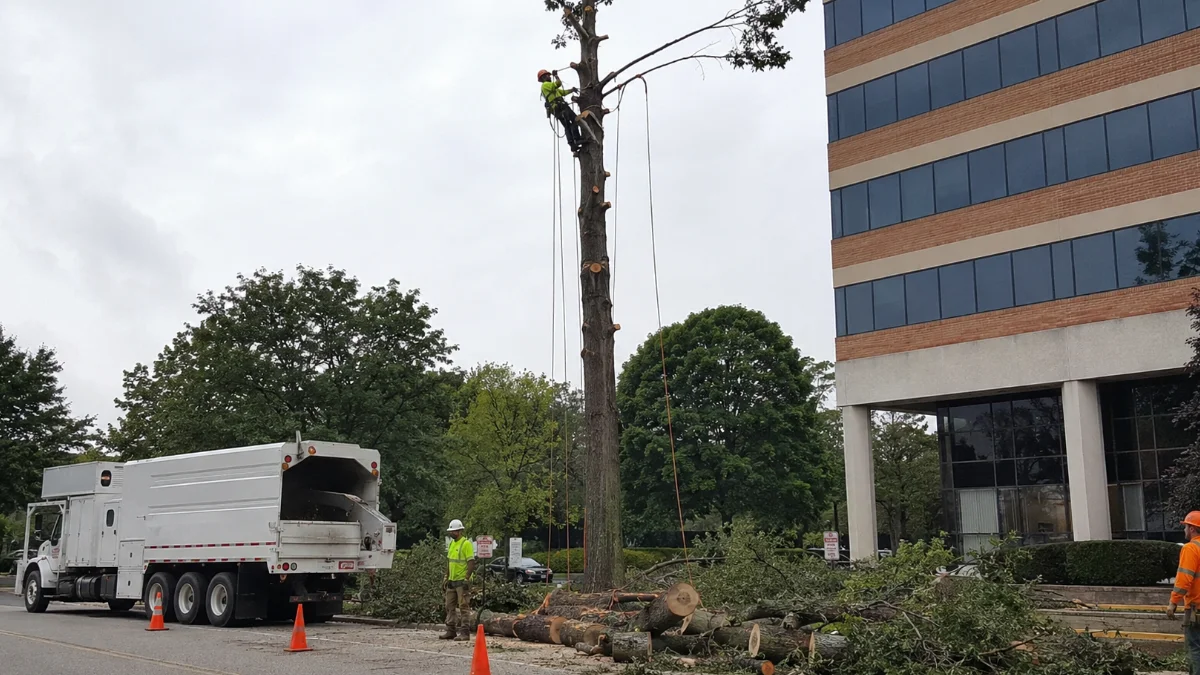
If the area is open, the tree can be taken down in sections and lowered safely.
Near homes or power lines, the process becomes more precise. Crews may use ropes or cranes to guide each cut.
The goal is simple. Remove the tree without damaging anything around it.
Cleanup matters just as much. Needles, branches, and debris should be cleared once the work is done.
A good crew leaves the area ready for use again.
Tanner’s Legendary Tree Service handles removals across Upstate South Carolina. Our work focuses on control, safety, and leaving the property clean.
How to Reduce Risk Without Full Removal
Not every situation leads straight to removal.
In some cases, trimming can reduce risk. Removing dead branches lowers the chance of falling debris.
Clearing the base of the tree helps reduce fire risk. Removing needle buildup and debris keeps the area safer.
Regular checks make a difference. Catching small changes early keeps options open.
Still, there are limits to what trimming can fix. Structural issues often require a different approach.
Pine Tree Removal in Spartanburg – Don’t Wait Until It Becomes a Problem
A pine tree can seem fine one season, then start to fail the next. Storms and dry weather tend to bring those issues to the surface.
If you’re seeing leaning, dead branches, or uneven growth, it’s worth checking now. It’s easier to deal with early than after something breaks.
Tanner’s Legendary Tree Service helps homeowners across Spartanburg handle these situations every day. From inspections to full removals, our team take care of it without leaving a mess behind.
Call for a free estimate and see what makes sense for your property.
FAQs About Pine Tree Removal in Spartanburg
Why do pine trees fall so easily during storms?
They grow tall and carry most of their weight up top. When strong wind hits, that pressure can cause the tree to give way.
Do pine trees increase fire risk?
They can. Dry needles and cones build up over time and catch quickly under the right conditions.
What signs should I look for?
Leaning, dead limbs, and thinning needles are common warning signs. Movement at the base is another one to watch.
Can I fix the problem with trimming?
Sometimes. If the tree has deeper issues, trimming won’t solve it.
When is the right time to remove one?
It’s best to act before storm season or as soon as the tree starts to show signs of trouble.